
smart led mirror
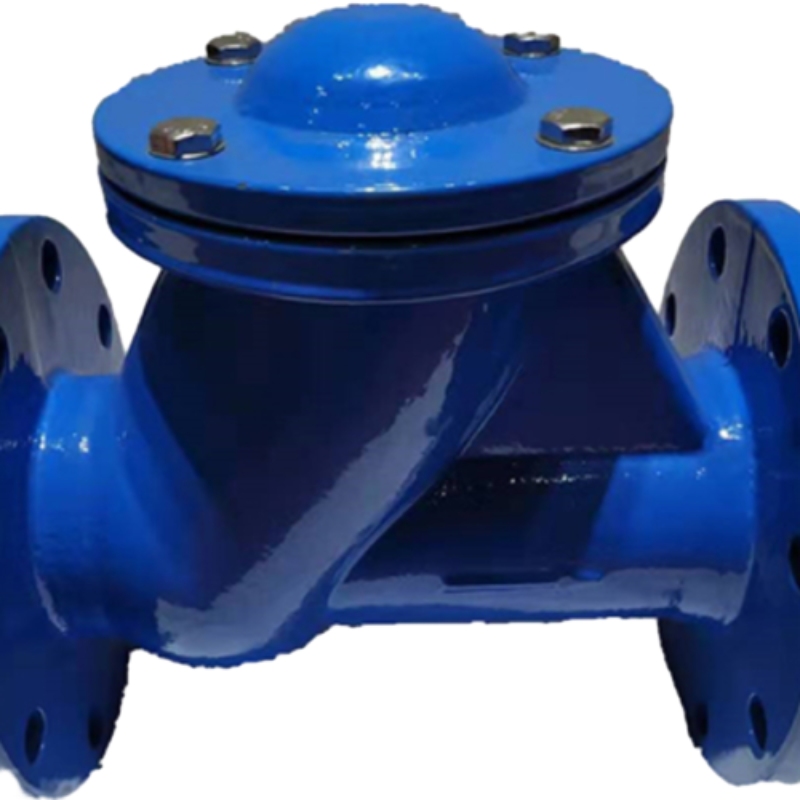
Understanding the 3% and 4% Butterfly Valve An Overview Butterfly valves are essential components in various industrial applications, primarily due to their efficient flow control capabilities and compact design. Among the various specifications available in the market, the 3% and 4% butterfly valves have gained attention for their precise regulation of fluid flow, making them a preferred choice in different sectors such as water treatment, oil and gas, and chemical processing. Understanding the 3% and 4% Butterfly Valve An Overview The 3% butterfly valve is designed for applications requiring a small flow rate control. These valves are ideal for situations where precise adjustments are necessary, such as in systems where the fluid dynamics must be closely monitored. The significant advantage of a 3% opening is that it allows for fine-tuning of flow, making it suitable for applications such as laboratory processes or sensitive chemical reactions where excessive flow could result in adverse outcomes. 3 4 butterfly valve On the other hand, the 4% butterfly valve provides a slightly broader range of flow control. This valve is excellent for medium-sized flow applications, offering a balance between versatility and precision. Industries that rely on the 4% butterfly valve often include those where moderate flow regulation is essential, such as in HVAC systems or larger water distribution networks. The valve's design allows for quick operation, making it a favorite for systems that require the capacity to open and close rapidly in response to fluctuating operational demands. Both the 3% and 4% butterfly valves come with various materials and actuator options, allowing for customization based on specific environmental conditions, such as temperature and pressure. This adaptability enhances their applicability across multiple industries, ensuring durability and reliability in performance. In summary, the choice between a 3% and a 4% butterfly valve largely depends on the specific needs of the application at hand. By understanding the functionalities and advantages of each type, engineers and operators can make informed decisions that enhance the efficiency and safety of their systems. Whether it involves fine-tuning flow rates in sensitive settings or managing moderate flows in larger systems, these butterfly valves play a crucial role in ensuring optimal fluid control across various industrial processes.
about
smart led mirror
Understanding Water Valve Pressure Key Insights and Best Practices Water valves play a critical role in managing the flow of water in various systems, including residential plumbing, irrigation, and industrial applications. One of the essential factors governing the efficiency and safety of these systems is water valve pressure. This article will explore the importance of understanding water valve pressure, common issues associated with it, and best practices for maintaining optimal pressure levels. The Importance of Water Valve Pressure Water valve pressure refers to the force exerted by the water as it flows through a valve. This pressure needs to be managed carefully to ensure that systems operate effectively. If the water pressure is too high, it can lead to leaks, burst pipes, and damaged appliances. Conversely, low pressure can result in insufficient flow rates, causing inadequate performance in watering systems or inefficient bathroom and kitchen fixtures. Maintaining appropriate pressure in water valves is crucial for several reasons. First, it impacts the overall performance and longevity of plumbing systems. High-pressure situations can cause wear and tear on valves and other components, leading to frequent repairs and replacements. Second, proper water pressure ensures efficient operation in irrigation systems, thus promoting healthy plant growth. Finally, the integrity of the plumbing can have significant implications for water safety and quality. Common Issues Related to Water Valve Pressure 1. High Pressure Excessive water pressure can lead to valve failure and damage to connected fixtures. It often results from malfunctioning pressure regulators or issues in the municipal supply. 2. Low Pressure Causes of low water pressure can include clogged pipes, insufficient pipe diameter for the required flow rate, or faulty valves. Diagnosis often requires comprehensive assessments to identify the root causes. 3. Pressure Fluctuations Intermittent pressure changes can disrupt the flow and create uncomfortable situations, particularly in residential settings where water is needed continuously. Best Practices for Managing Water Valve Pressure water valve pressure To maintain optimal water valve pressure and prevent issues from arising, consider the following best practices 1. Regular Inspections Conduct regular checks on your water valves and associated components. Look for signs of wear, corrosion, or buildup that may indicate pressure issues. 2. Pressure Testing Utilize pressure gauges to monitor water pressure levels. Testing your system periodically helps identify issues early on and ensures that the water supply remains within a safe and functional range. 3. Utilize Pressure Regulators In high-pressure situations, installing a pressure regulator can help maintain consistent levels. Regulators automatically adjust the pressure entering your property and protect plumbing infrastructure. 4. Correct Sizing of Pipes and Valves Ensure that the diameter of pipes and the specifications of the valves are appropriate for the water flow you expect. This attention to detail will help prevent pressure-related issues from arising. 5. Professional Assistance When in doubt, consult a plumbing professional. They can provide expert advice and assistance in diagnosing and resolving complex pressure issues. 6. Educate Yourself Stay informed about the properties and specifications of your water system. Understanding the basic principles behind water valve pressure will empower you to identify potential problems and take proactive measures. Conclusion Water valve pressure is a critical aspect of plumbing systems that should not be overlooked. By understanding its importance, recognizing common issues, and adhering to best practices, individuals can ensure the longevity and efficiency of their water systems. Whether for residential or agricultural applications, maintaining proper water valve pressure guarantees a steady, reliable flow of water, ultimately contributing to the health and safety of users.
-

High quality industrial productsagement

High quality industrial products
View Details -

Meet the diverse needs of customers

Meet the diverse needs of customers
View Details -

Strict quality control

Strict quality control
View Details -

Top raw materials

Top raw materials
View Details -

Trusted supplier

Trusted supplier
View Details
Our application


news and information
Valvola a farfalla da 1,5 pollici per applicazioni industriali e domestiche
Valvola a Farfalla da 1.5 Pollici Un Elemento Chiave nel Settore Industriale Le valvole a farfalla s
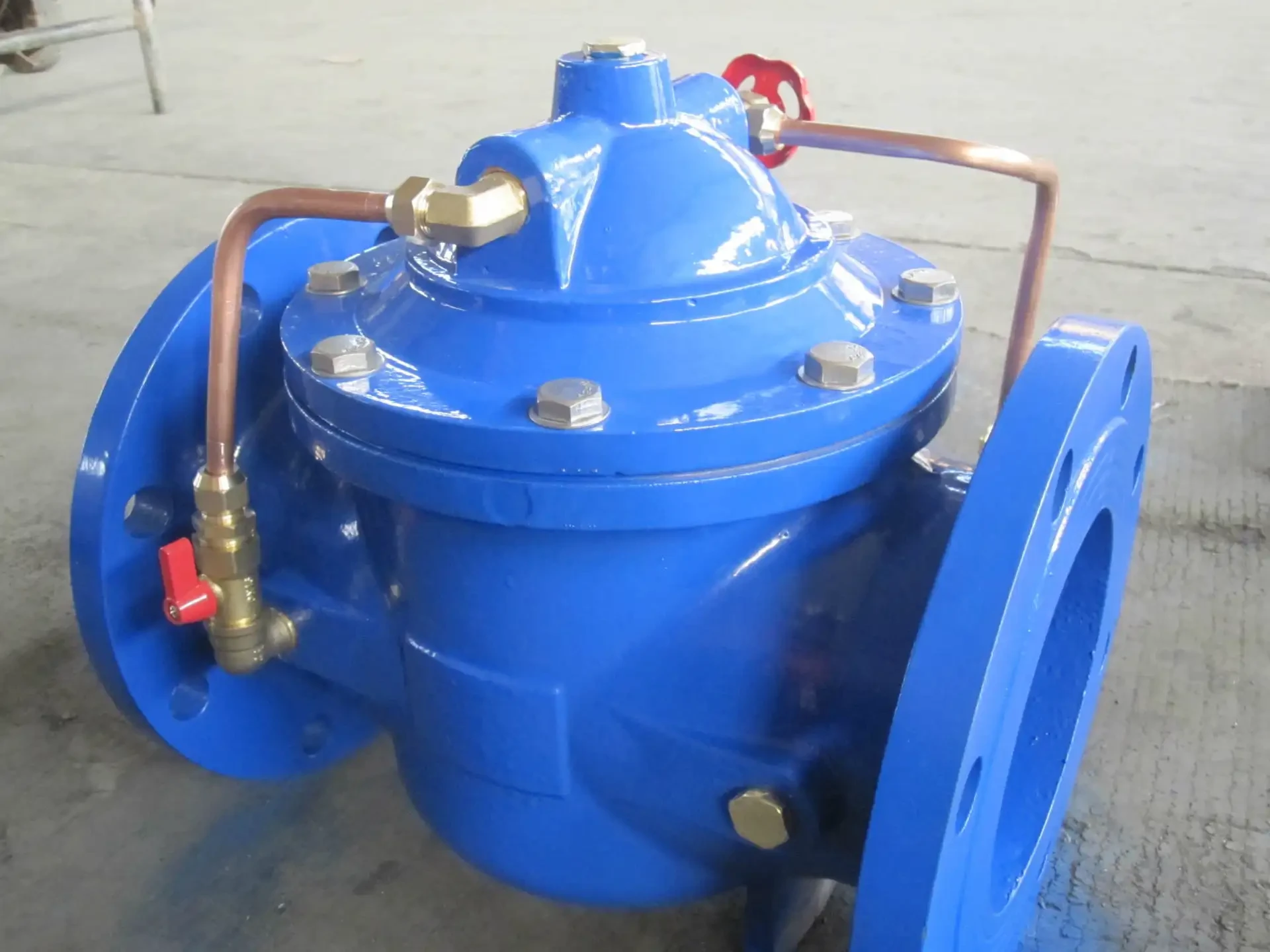
Water Valves_ Choosing the Right Type for Your Needs
When it comes to managing your water supply, selecting the right water valves is paramount. From mai
Wood Fence Post Cap
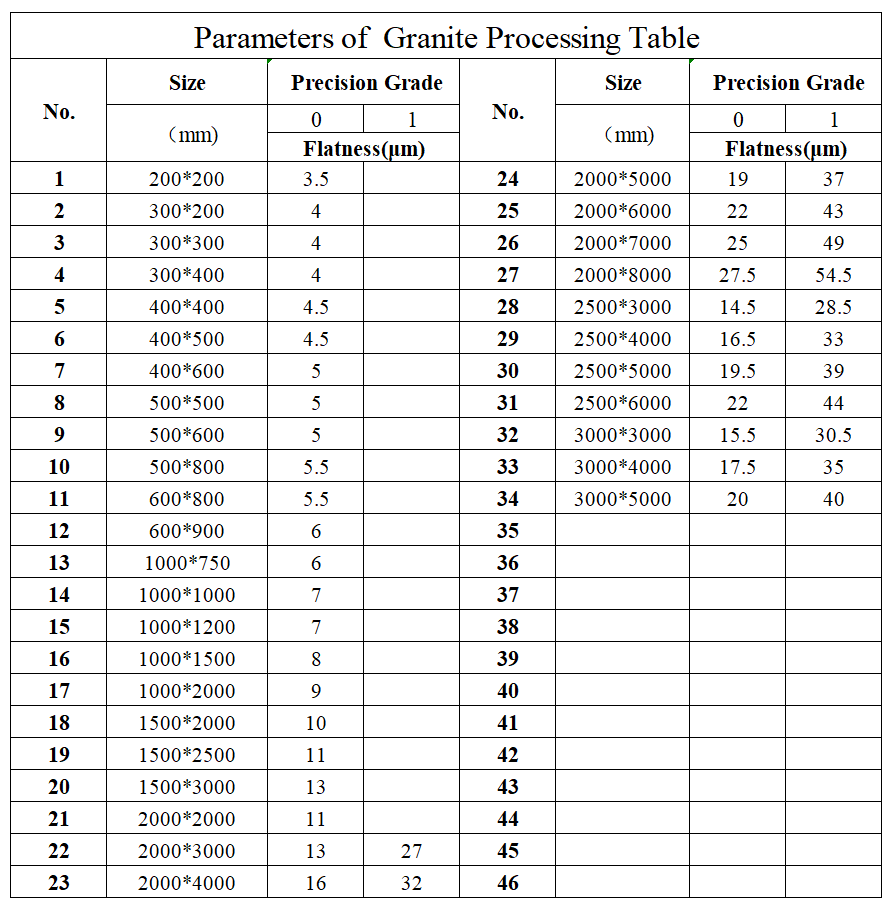
Wood Fence Post Caps Enhancing the Beauty and Functionality of Your Outdoor Space A wood fence post
 English